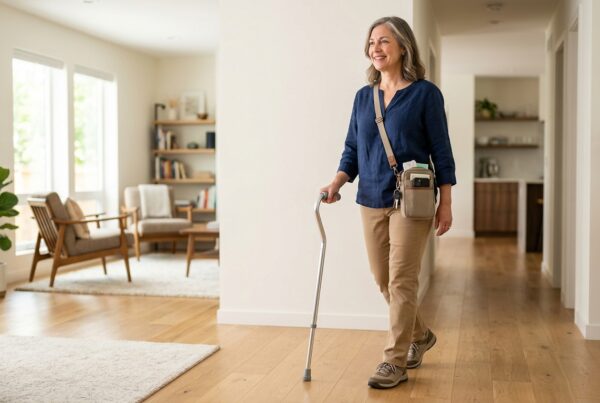
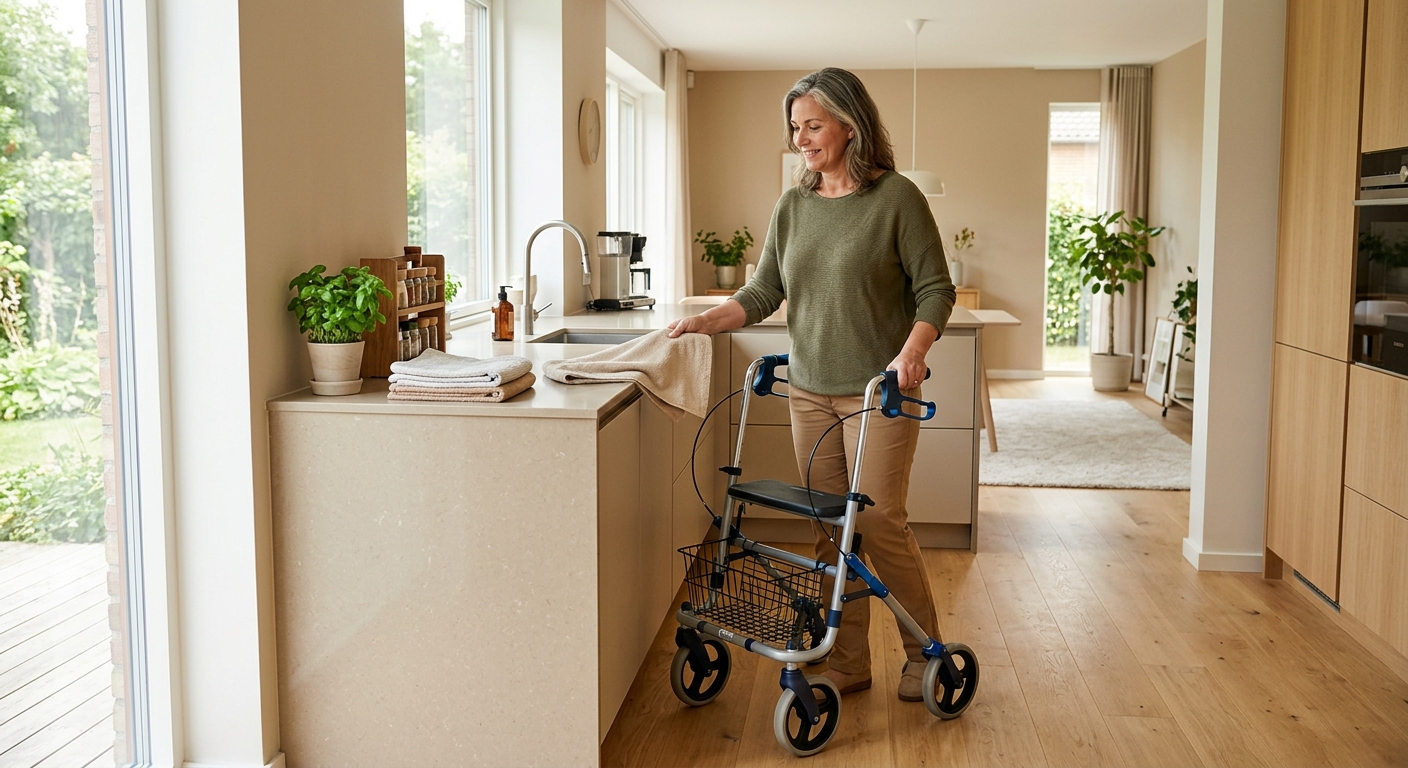
One of the biggest impacts of foot drop is not always walking itself. For many people, the hardest changes are the hobbies, routines, independence, and spontaneous activities that slowly become more difficult.
Many people in the AFDA community describe grieving activities they once loved while also finding new ways to adapt and stay involved in the things that matter most.
This article provides an overview of common experiences. For deeper information, explore the related articles listed at the bottom.
Community Experiences
Walking
Walking is one of the most commonly mentioned losses after developing foot drop.
Checklist
People often describe reducing or stopping:
- Neighborhood walks
- Hiking and long-distance trails
- Walking on uneven surfaces like beaches
- Walking without an AFO or brace
- Long-distance walking for exercise
Many people find that changing how they approach walking—through pacing, assistive devices, or route planning—helps them stay active in safer ways.
Travel & Vacations
Travel can become more complicated when walking distance, fatigue, and fall risk need to be considered.
Checklist
Common challenges include:
- Traveling less often
- Feeling exhausted during trips
- Worrying about how much walking will be required
- Planning every outing ahead of time
- Avoiding spontaneous activities
Community Solution
Some families bring a wheelchair for specific high-demand situations such as:
- Airports
- Concerts
- Festivals
- Large sightseeing areas
- Long days of walking
Using a wheelchair does not have to mean giving up walking. Many people use mobility equipment strategically to conserve energy and reduce fall risk while continuing to walk when they feel comfortable.
Sports & Recreation
Many people report changing or reducing activities they previously enjoyed.
Checklist
Activities members commonly mention changing include:
- Skiing
- Golf
- Paddleboarding
- Ocean swimming
- Beach walking
- Cycling
- Long hikes
Some people discover adaptive alternatives that allow them to continue participating, such as:
- Adaptive cycling equipment
- Snow bikes
- Modified recreation equipment
- Lower-impact versions of favorite activities
Around the House
Foot drop can change simple household routines that once required little thought.
Checklist
Common challenges include:
- Climbing stairs
- Carrying laundry
- Shopping in stores
- Completing home improvement projects
- Performing household repairs
- Making extra trips around the house
Some people describe deciding that an item forgotten upstairs simply is not worth making another trip for.
Community Adaptations
- Use laundry bags that can slide down stairs.
- Try rolling laundry carts similar to those used in laundromats.
- Move washers and dryers to the main living level when possible.
- Use lightweight carry bags designed for easier transport.
- Ask family members for help with heavier tasks.
Footwear
Many people mention missing the freedom of wearing certain types of shoes.
Checklist
Commonly missed footwear includes:
- Flip-flops
- Sandals
- “Cute shoes”
- Going barefoot
- Shoes that do not accommodate braces or AFOs
Finding supportive footwear that works with your mobility needs can become an important part of maintaining comfort and confidence.
Independence
For many people, foot drop affects more than physical movement.
Checklist
Members commonly describe changes involving:
- Loss of independence
- Reduced confidence
- Less spontaneity
- Changes in work or career plans
- Difficulty leaving the house without preparation
- Feeling like everyday activities require more planning
Many people describe these changes as a significant life adjustment that deserves recognition and support.
Emotional Impact
The emotional side of foot drop is often just as significant as the physical challenges.
Checklist
People commonly describe:
- Missing former hobbies and routines
- Feeling different from peers
- Feeling older than their actual age
- Mental and physical exhaustion
- Worry about falling
- Grief over a changed lifestyle
- Adjusting to a new sense of identity
One community member summarized the experience:
“It’s coming to grips with what you’ve lost versus what you’ve gained.”
Community Solutions
Checklist
- Follow your healthcare provider’s guidance about brace or AFO use, since recommendations depend on your diagnosis, strength, walking pattern, and individual needs.
- Discuss brace use decisions with your doctor or physical therapist rather than relying on general advice.
- Consider using a wheelchair for longer outings to conserve energy and reduce fall risk when appropriate.
- Modify your home environment to support how you move today.
- Use laundry carts and lightweight bags instead of carrying heavy items.
- Keep frequently used items on the main level whenever possible.
- Accept practical help when needed.
- Explore adaptive versions of favorite hobbies before deciding they must be permanently given up.
Related Articles
- Hands-Free Solutions for Cane and Mobility Aid Users
- Bathroom Safety & Modifications
- Living Alone with Foot Drop
- Traveling with Foot Drop (planned)
- Fall Prevention (planned)
- Adaptive Sports and Recreation (planned)
- Footwear and Braces (planned)
- Energy Conservation (planned)
- Emotional Adjustment After Foot Drop (planned)
This article shares community experiences and general information about adapting to life with foot drop. It is not medical advice and does not replace guidance from your healthcare provider. Mobility decisions, including brace use, assistive devices, and activity modifications, should be based on your individual needs and discussed with qualified professionals.